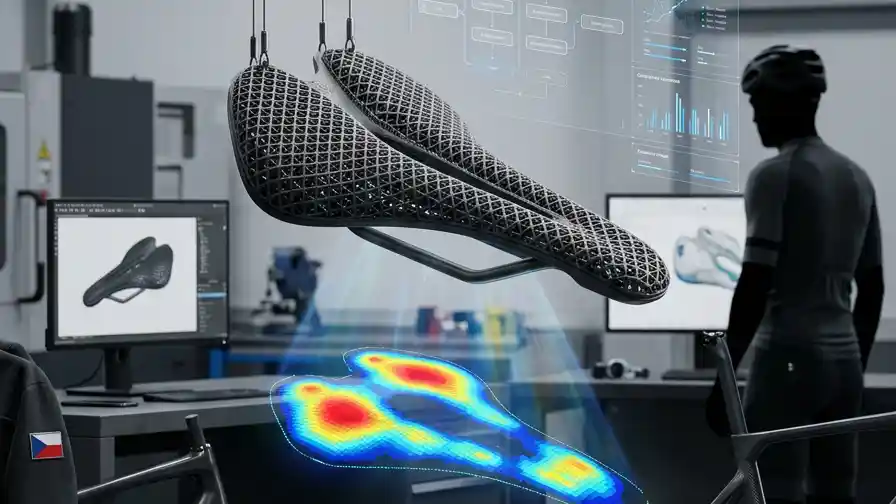
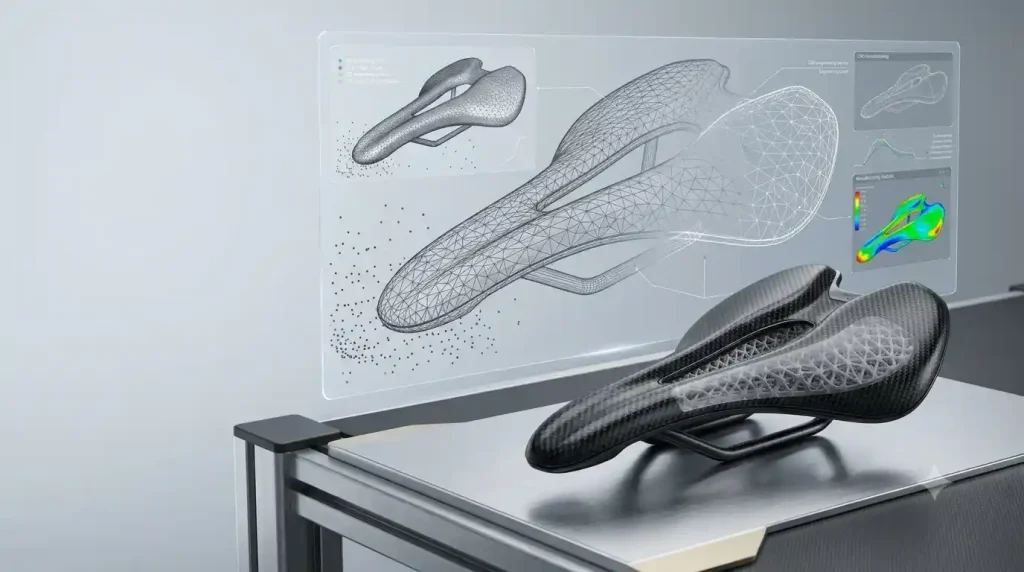
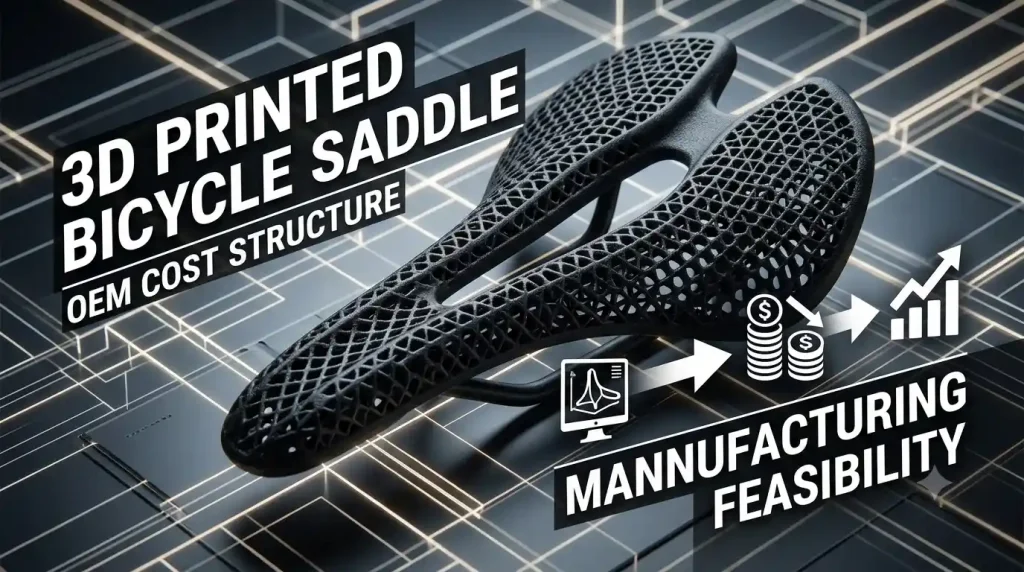
STL files have become an important digital connection between rider geometry, 3D scanning, CAD engineering, additive manufacturing, and modern bicycle saddle development. However, an STL file is not a complete product definition. It contains surface geometry but does not include engineering intent, material specifications, manufacturing parameters, or validation history.
For bicycle brands and OEM buyers, the real value of STL-based saddle development is not simply creating a personalized shape. The commercial advantage comes from building a controlled digital manufacturing workflow that can transform rider data into a reliable, repeatable, and scalable production process.
This article examines how STL files are used in custom bicycle saddle development, the engineering challenges during the transition from digital models to production components, the total cost of ownership considerations, and the supplier capabilities that brands should evaluate before launching a custom saddle program.
All cost structures and performance discussions are presented as engineering frameworks. Actual outcomes depend on materials, production methods, supplier capability, and validation requirements.